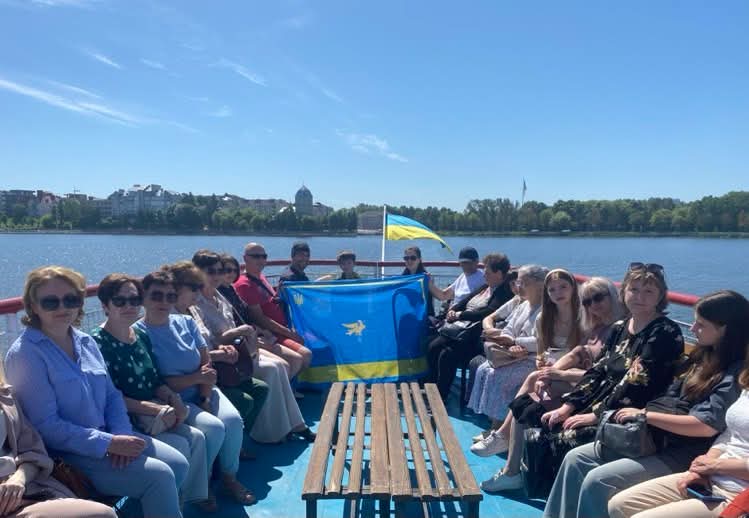

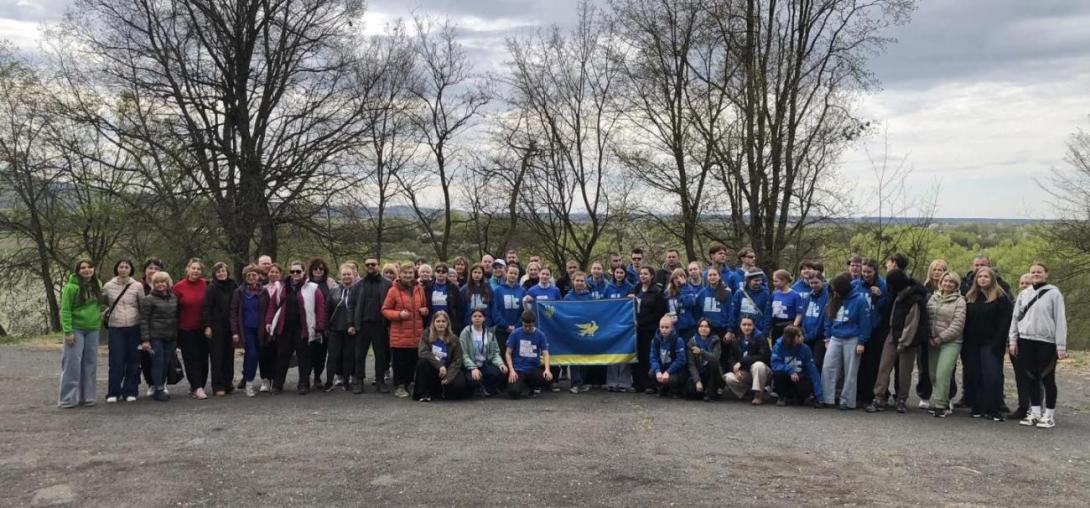
Despite the challenges of forced relocation, the Siverskodonetsk community continues to develop a support network for residents and create spaces where people can stay connected to their city and remain part of the community.
The main priorities were to support military personnel, develop humanitarian and cultural centers, and form long-term scenarios for community recovery.
HUMANITARIAN HUBS AS AN EXTENSION OF COMMUNITY
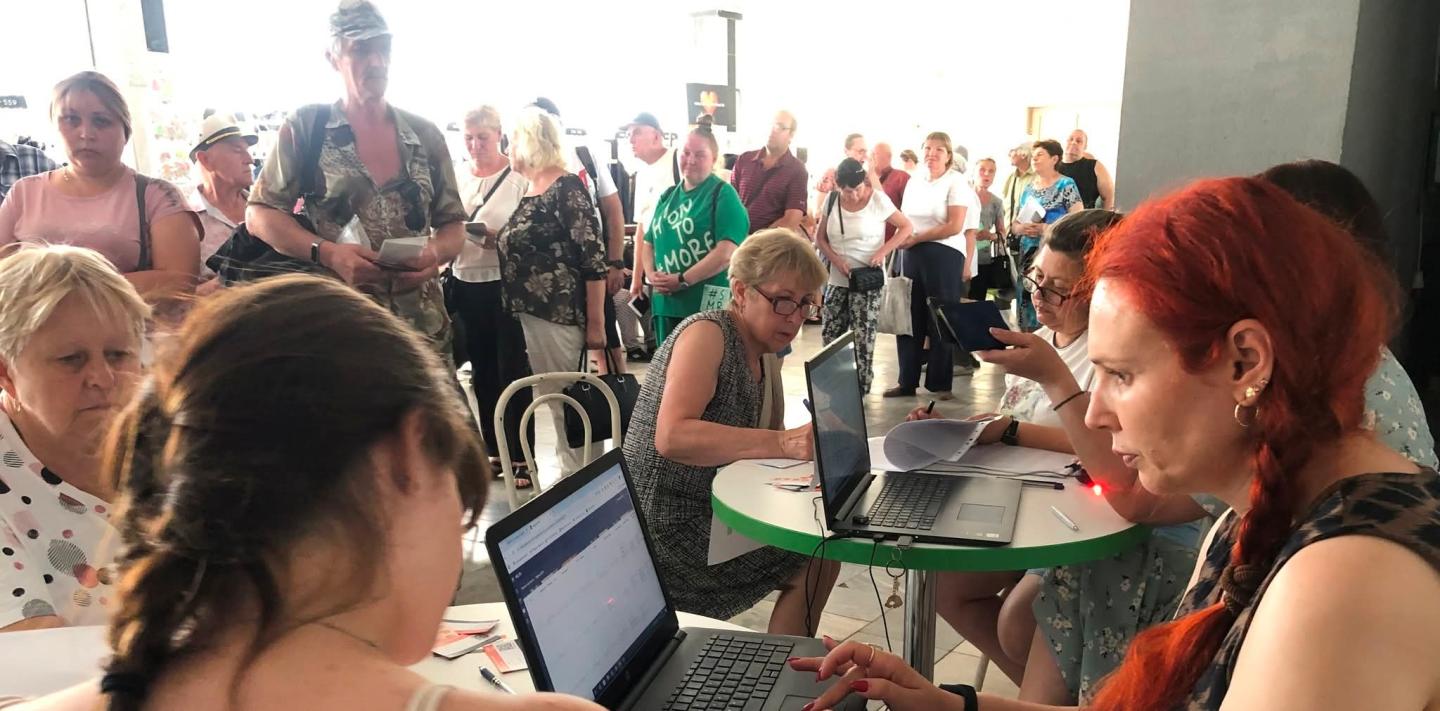
Today, humanitarian centers in Dnipro, Kyiv, and Ternopil serve a much broader function than providing assistance. They effectively operate as relocated community spaces where residents can receive administrative, social, and counseling services.
The hubs provide 79 types of ASC services, hold receptions for Pension Fund specialists, and employ lawyers and psychologists. This allows for continuous interaction between residents and local government bodies even in the absence of physical access to the city.
At the same time, humanitarian hubs have become important platforms for communication. Libraries with books by compatriot authors are being created here, children's clubs in choreography, tourism, music, and fine arts are operating, and exhibitions and events dedicated to memorable dates are being organized.
One of the events that united residents was the presentation of the book "Prydintsiyya: Ukrainian Character" by Honored Journalist of Ukraine Semyon Pertsovsky in Kyiv and Dnipro. The event turned into not only a cultural event, but also a platform for dialogue between generations and meetings of Siverskodonetsk residents who now live in different regions of the country.
"When you come to such meetings, you feel that the city continues to live together with people. We see familiar faces again and understand that we have not lost touch," says community resident Nadiya.
"FOREST COTTAGE" AS A SPACE FOR RECOVERY
A separate area of work was the development of the Rehabilitation and Social Cohesion Center "Lisova Dacha" in the village of Verkhni Remety in Transcarpathia. The name, once familiar to many residents, today takes on a new meaning.
A target development program for the facility was approved in February 2026. It is planned to transform it into a modern center for physical and psychological recovery for community residents.
It was significant that the residents themselves were involved in creating the future space. Volunteers and caring residents cleared the area for the future center on their own. For many, this joint work became an example of how a sense of unity is formed through concrete actions.
STRATEGIC FUTURE AFTER DEOCCUPPATION
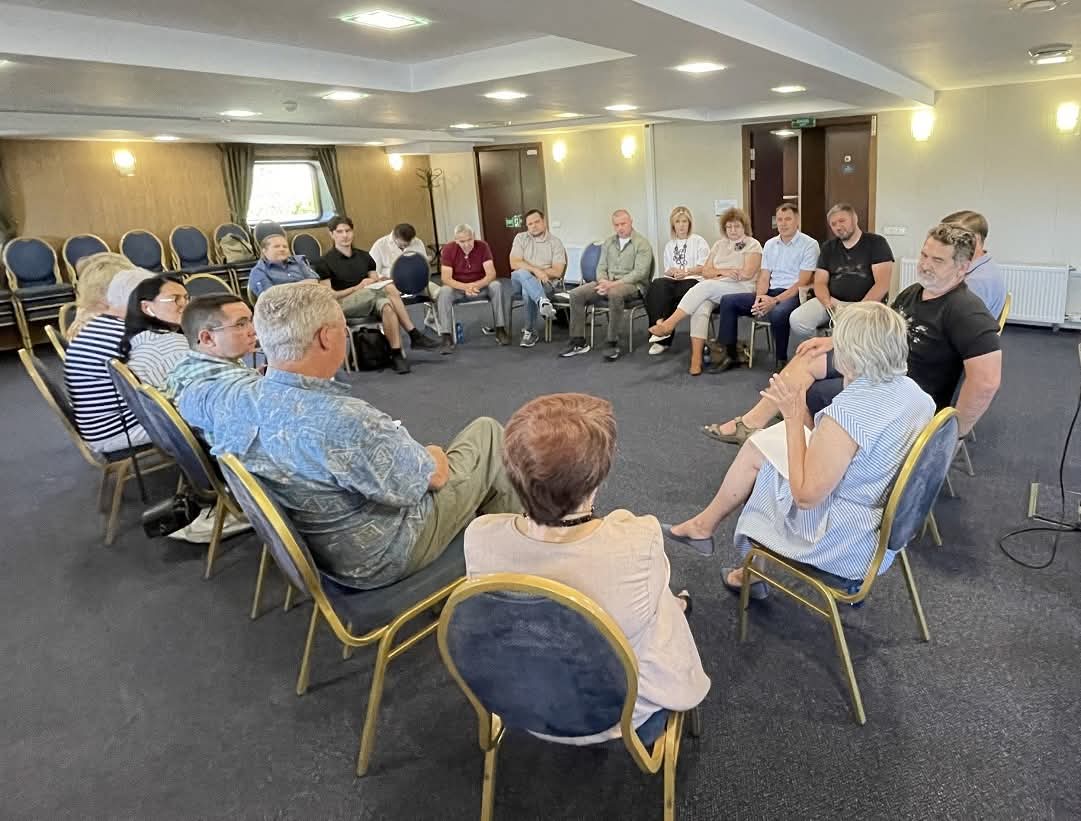
In parallel, the community is working on a long-term vision for the future. The non-governmental organization "Crisis Media Center "Siverskyi Donets" together with residents and representatives of the Siverskodonetsk CMA conducted a Foresight study of community development.
Within the framework of the project "Siverskodonetsk Community in Exile: Interactive Map of Self-Organization", analytical materials and scenarios for the development of the community in the long term have been prepared. With the support of international partners, a roadmap for recovery after de-occupation has also been formed, covering economic and infrastructural development.
The head of the Siverskodonetsk city military administration, Yevheniya Boyko, notes: "We are working to ensure that Siverskodonetsk remains alive in the heart of every resident, wherever they are. Our support measures are a tool for preserving our identity."
For the Siverskodonetsk community, supporting people, humanitarian spaces, and planning for the future have already become part of a shared strategy. The community is working to preserve the most important thing, even in forced displacement – a sense of belonging, which will later become the basis for the city’s recovery.