


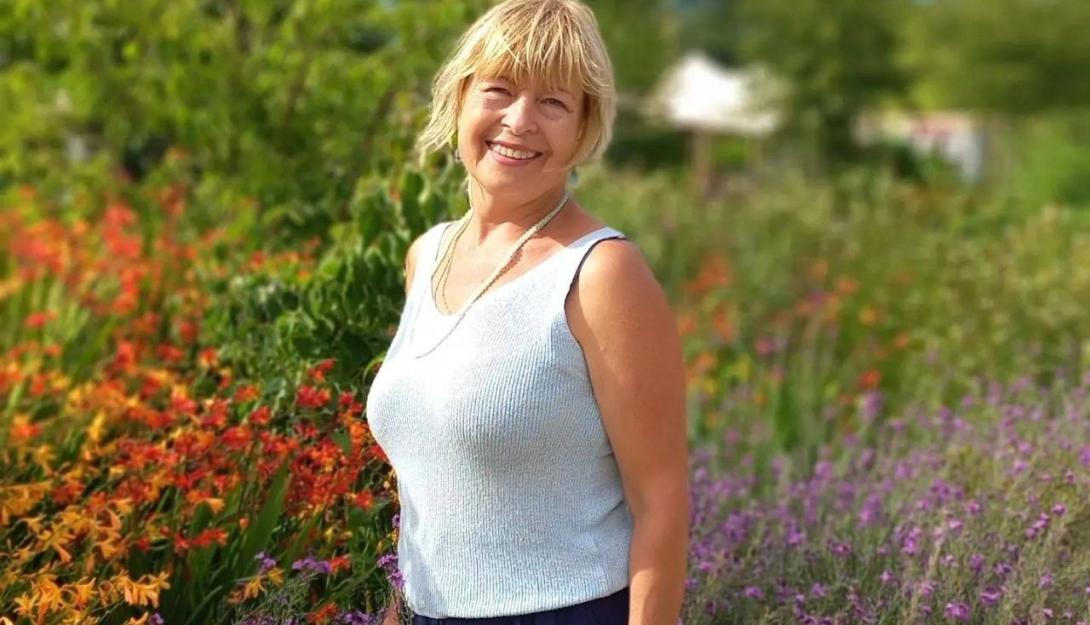
Landscape designer and artist from Siverskodonetsk, Natalia Zuban, has always been associated with the theme of flowers in her work. They appeared in her life as a child, when she would go to her grandmother's in the Bilovodsky district and spend hours lost in the green spaces.
The path to today's lesson lay through various professions, including floristry and landscape design. In Siverskodonetsk, Ms. Natalia was involved in urban landscaping. In 2021, almost 5,000 plants were planted in the city, and the plans were to create their own "greenhouse farm."
After the forced evacuation, her creative path changed: in search of new forms of self-expression, Ms. Natalia began painting the interiors of traditional Ukrainian huts in Novy Sorochyntsy, and later came to a new craft - overglaze painting of porcelain with flowers.
Natalia Zuban told SD.UA about her creative path, in which there was always a place for flowers, about her contribution to the greening of Siverskodonetsk, and her search for herself after evacuation, which led her to a new stage of creativity.
- Ms. Natalia, you are a florist, landscape designer, and artist. Which of these roles is closest to you?
- My life is divided into "before" and "after". If we talk about "before", it is, of course, landscape design. Most of my life was connected with flowers, landscaping, my favorite city, and meadows.
And "after" is already painting. Circumstances have changed, and today, to engage in landscape design, you need to change your place of residence, leave your husband alone. But for me, family is more important, now we need to stick together.
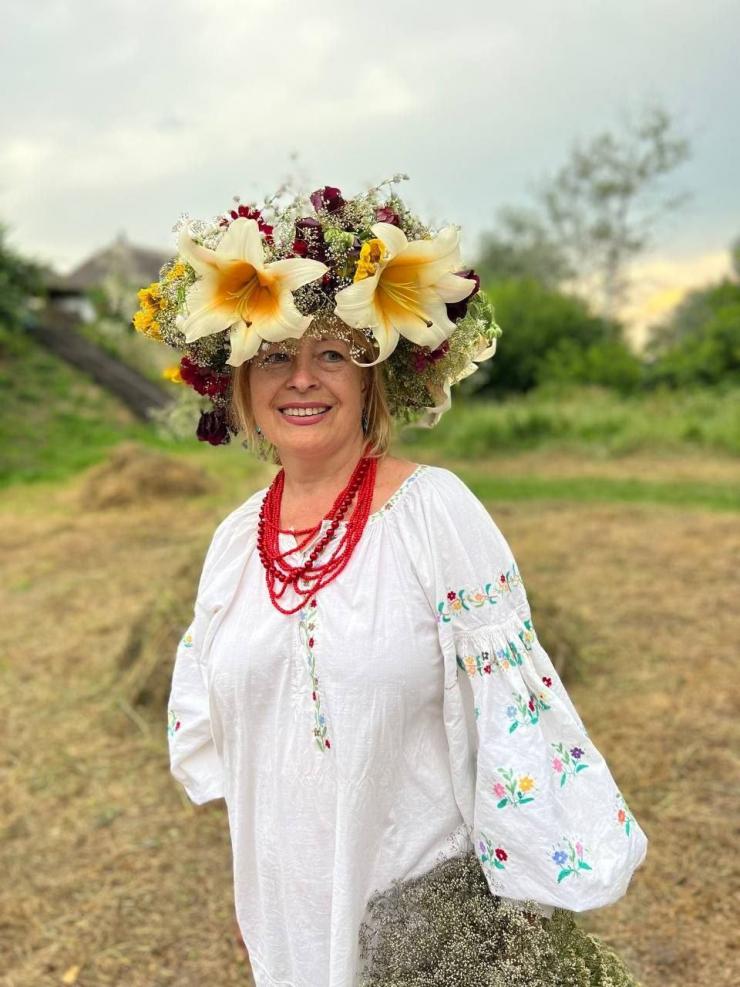
Natalia Zuban
Learn more
Flowers
Local news
Flora and fauna
- Tell us how your artistic journey began? Where did this love for flowers come from?
- It all started in my childhood. My grandmother lived in the village of Horodyshche, Bilovodsk district, and we often went to visit her. On the outskirts of the village, there were almost no fences between the courtyards, only small dug-in borders between the gardens. I could freely move from garden to garden. While the adults worked in the garden, I would walk for hours through these gardens and spaces. Nearby was Kreydyana Gora - a place with incredible smells and beauty. Thyme, oregano, wormwood, hyssop, and kermek bloomed there. The aromas were so strong that I felt dizzy. I sat on the mountain, looked around and admired this beauty.
Later, I graduated from the Luhansk Art School. I was a member of the school's Komsomol and a judge at a theater poster competition.
In 1980, I first visited Siverskodonetsk, and it was a real impression: the whole city was green, covered in roses, with fountains and wide streets. When it was time to leave after my studies, I said without hesitation that I wanted to go to Siverskodonetsk – it fascinated me so much. At that time, it was a very youthful and lively city.
- It is known that you later worked at Azot. Tell us what that job was like and why you decided to leave it?
- For fifteen years, from 1981 to 1996, I worked as a designer: I made stands, posters, various designs. Then the director of the Central Market organized a flower salon. And I thought: “Why do I need that “Azot”? Am I really going to write these letters all my life?” I wanted something completely different – to work with flowers, because that was my dream.
My visit to the flower salon "Roksolana" was also a turning point. It was also a real shock for me. There was an incredible aroma of flowers there. I went in and, I remember, for almost an hour and a half I just stood there and inhaled this smell (laughs). That's when I realized: "This is what I want to do."
From then on, my journey in floristry began. I worked in a flower salon, saved up money to start my own business. Later, we opened our flower salon opposite the Central Market. We worked there for about a year, and then rented a space opposite the Tricky Market.
I remember one of my large-scale and at the same time favorite projects – a large decorative tree composition. I found curved wood, cemented it into a large bowl, and inside I made a base of mesh and a floral oasis. At the bottom were exotic flowers – orchids, anthuriums, monstera leaves, and from above fell a real “waterfall” of flowers and greenery.
For me, it was not just a job, but an opportunity to create a whole living image.
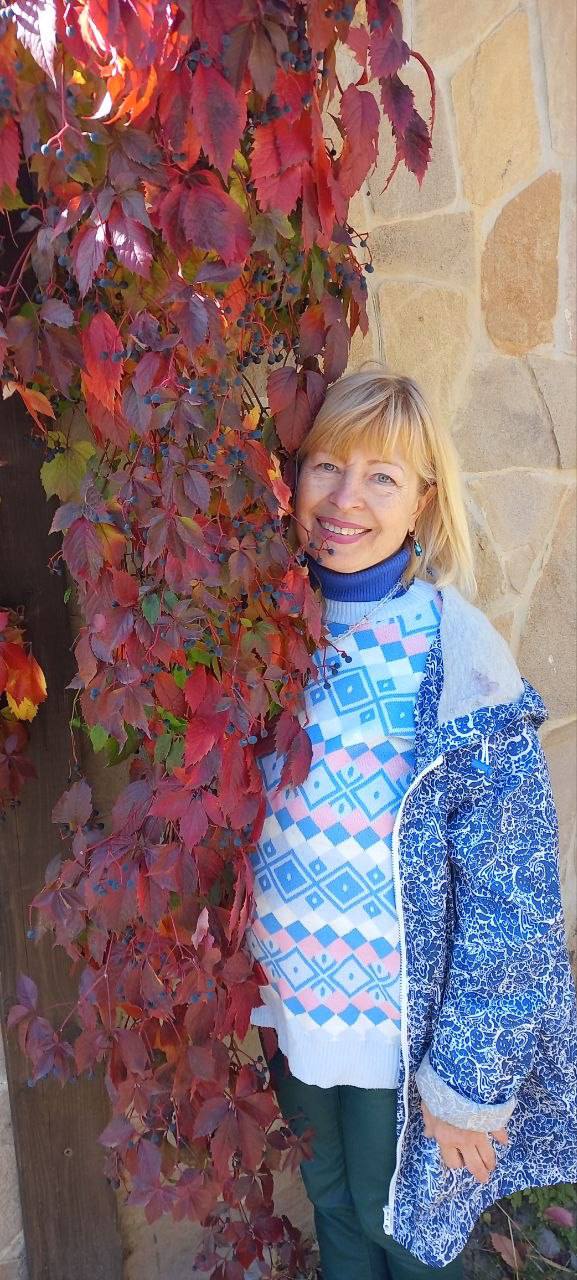
Natalia Zuban
- When did you realize that you wanted to work not with cut flowers, but with living spaces? How did the transition to landscape design happen?
- When you first start working with cut flowers, all this variety seems incredible. We went to Kyiv to buy flowers, and there was such an assortment there that you wanted to buy everything and bring it to your city. But over time you get used to it and begin to understand: cut flowers quickly wither, they die in a few days. And it became a pity for this beauty.
Then I started looking through magazines and books on landscape design. I saw rose arches, gardens with fresh flowers, and I realized that this is exactly what I wanted: for flowers to live, grow, not disappear in a few days, but delight the eye for months, an entire season.
I began to delve deeper into this topic and discover for myself how vast and diverse the plant world is.
- Was this profession in demand in Siverskodonetsk before the war?
- Yes, of course, there was a demand. People wanted to see the beauty around them, to equip their yards, gardens, flower beds. I remember one of the projects - a private terraced garden with waterfalls and ponds. It was a very beautiful and large-scale work.
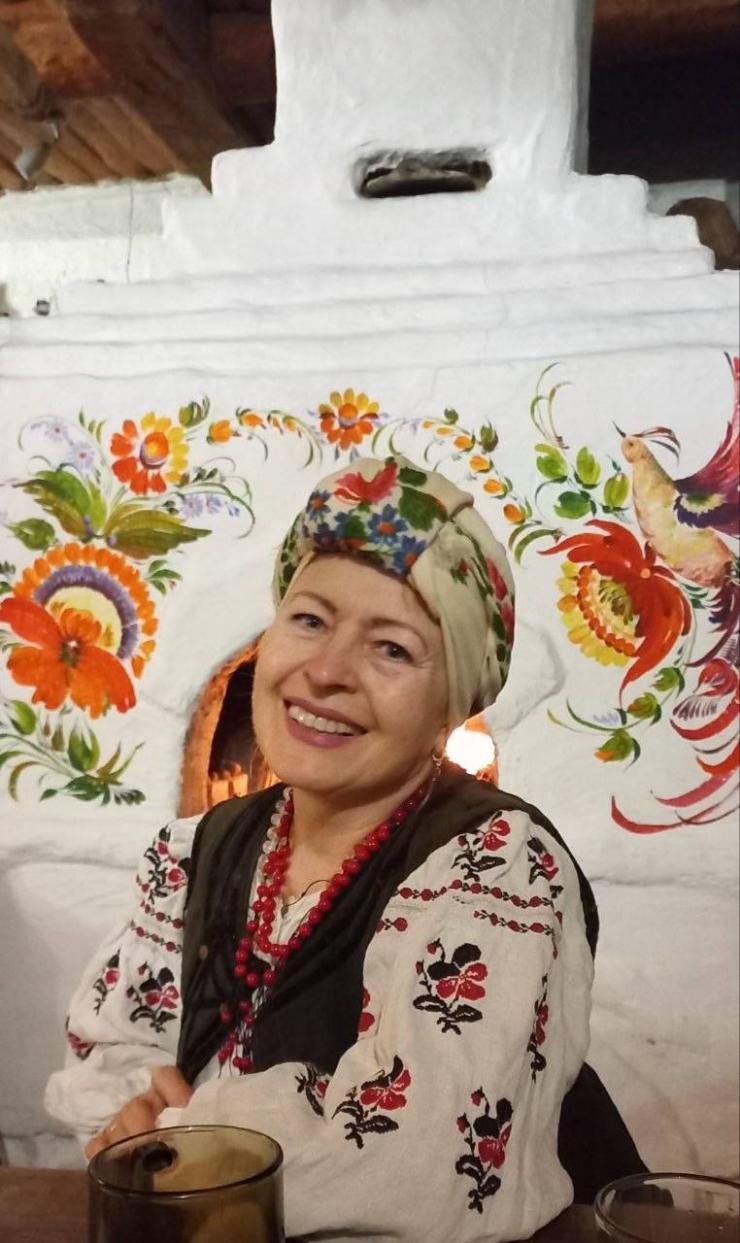
Natalia Zuban
- How did you manage to join the changes in urban landscaping? What did you manage to implement by 2022?
- I had a dream - to beautify my city. But at that time it was almost impossible to get into the field of urban landscaping: the then leadership blocked all new ideas. Later, the military administration came to power, which began to deal with the situation in the green economy. The previous cooperation was terminated, a new enterprise was created, a new director and team were appointed. They began to look for a landscape designer.
One day they called me and asked if I wanted to take part in the competition. I replied: “I want to and I can come right now.” At the interview, they started asking me about the vision of the city, and then I got carried away. I told them about all my dreams, about how I see Siverskodonetsk, how we can change the space, make it lively, green, modern. They listened very carefully, and then they said: “We found our specialist.”
After that, the big work began. We made a list of the necessary equipment - watering machines, towers and other equipment. We developed a detailed plan for 2021: with drawings, diagrams, phased work, budget estimates, and a list of plants.
In February, this project had to be presented to the public. The city council held a meeting on the city's greening, and we presented our concept. I remember that after the presentation, silence fell in the hall. And then the question was raised: "Is it even realistic to do everything in a year?"
And we did it. In a year, we planted 4,800 plants in the city. Of those, only two or three were stolen. We realized everything we planned. It was an incredible experience – very interesting, lively, inspiring.
Back then, I suggested creating our own greenhouse and nursery so that we wouldn't have to spend a lot of money on purchasing plants, but could grow them ourselves for the city. We even looked for a place for this, but couldn't find one at the time.
- Ms. Natalia, what did the beginning of a full-scale war in 2022 mean to you?
- We simply didn't believe everything that was happening, we thought we were leaving for a short time - for two weeks or a month at most. We were so sure that we would return home by summer that we didn't even take our summer clothes with us.
We were driving to Dnipro with our dogs. We have shepherd dogs, so I immediately started looking for a place where we could be taken in with our animals. In a village near Dnipro, we were sheltered by complete strangers. And the dogs were taken in by a neighbor, an old woman, who placed them opposite, in a large chicken coop.
We lived there for about three weeks. Then we moved to the Chernihiv region - to Lynovytsia.
- What was the most difficult thing at that moment?
- The hardest thing was to believe that all this was really happening. It seemed: this cannot be. That people could be so cruel... No, these are no longer people. And then the realization came that we had not left for two weeks or two months - we had to somehow live on, work.
Learn more
News
flowers
history
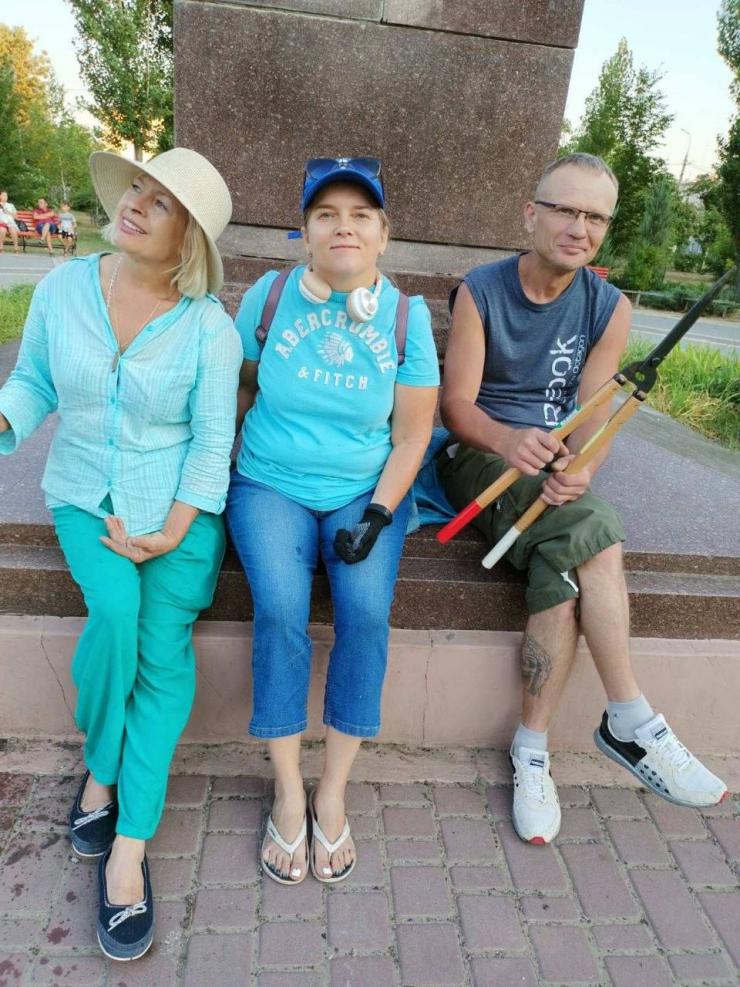
At first I went to Kyiv and tried to work as a landscape designer. But that meant being away for weeks and coming home on weekends. Eventually it became clear that living like that was impossible.
Work
- How did your search for yourself in new conditions begin then?
- I began to look for other abilities in my "treasure trove of talents", which the Almighty had also rewarded me with. I began to embroider, sew handbags from beads and sequins, and create paintings. But then it was not the right time, the war changed everything.
Then I started sewing national costumes. And later I went to my friend's place in Velyka Sorochynka in Poltava region. This is the real heart of Ukraine - incredible energy, beauty, a special atmosphere.
- Is that where you started painting?
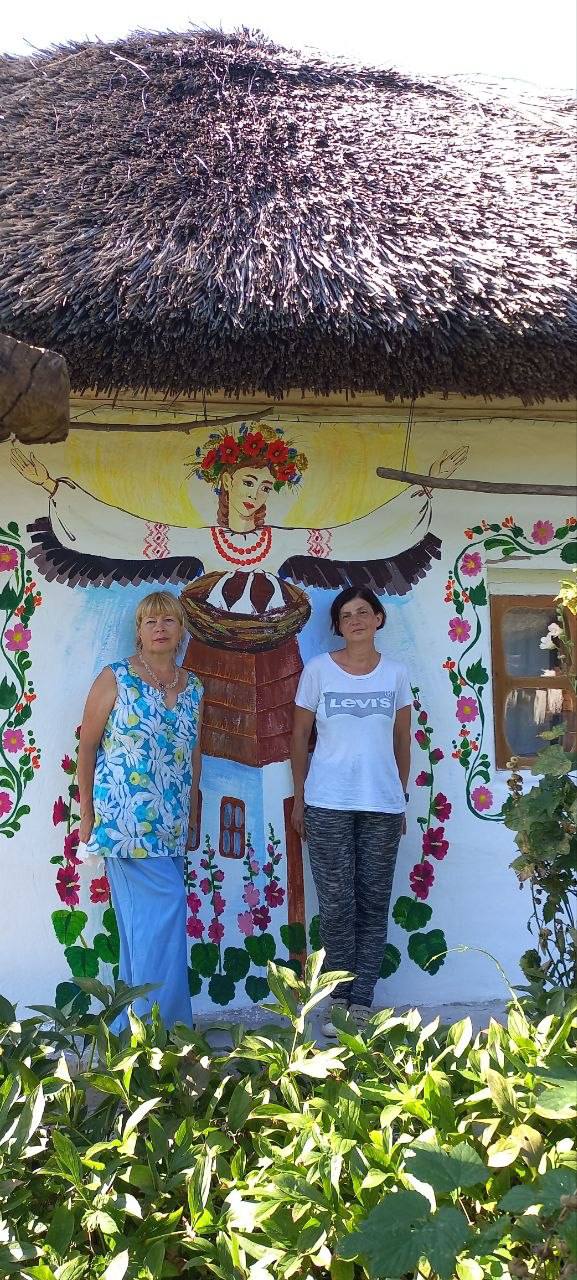
- Yes. I remember looking at the stove in my friend's house and saying, "Let me paint it for you." We bought paints, and in four days the work was completed. People's reaction was delight. It was very beautiful. And it was as if something inside woke up, gave me a push, and the painting started by itself.
During 2023–2024, I came to this village for a few days to do commissioned paintings, and then returned home. There was a green tourism estate called "Gogol's Farm" there - old Ukrainian huts, wooden furniture, stoves, painted walls, embroidered towels, curtains, like grandmothers used to have. An extremely atmospheric place. And I set about painting everything there.
It was there that I began to slowly move away from the war. My psyche slowly recovered, my cheerfulness returned. Little by little, my inner stiffness disappeared, and I began to feel alive again.
When I painted everything, the space seemed to harmonize.
Work
- Ms. Natalia, how did the idea of transferring the painting to dishes come about?
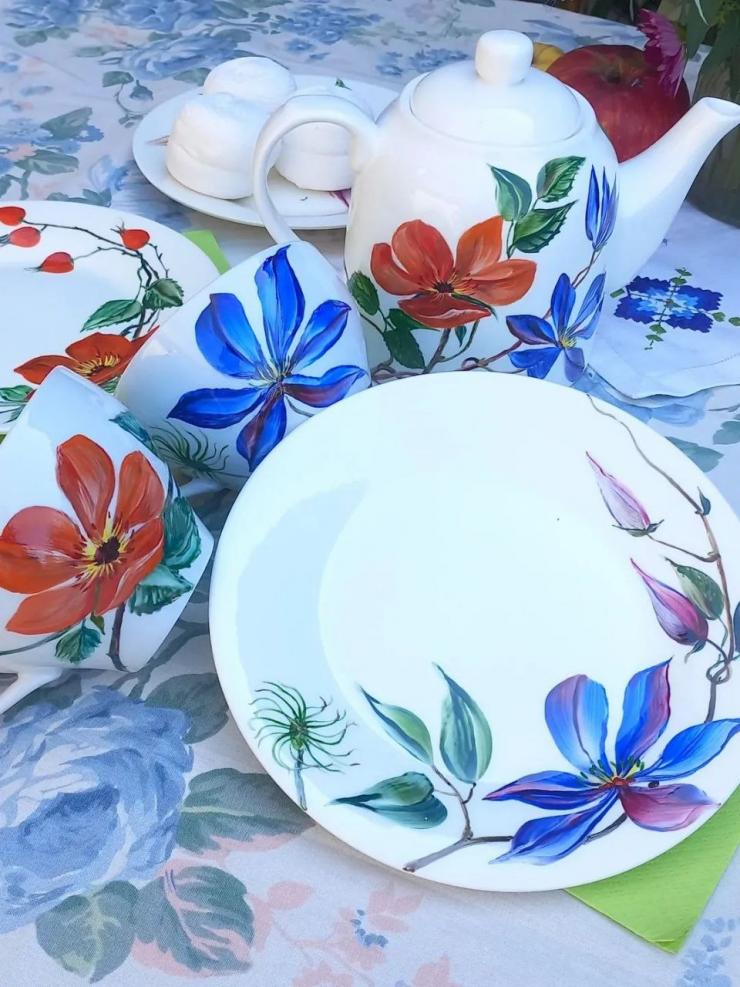
- I saw a friend's post where she displayed vintage plates with floral patterns, and I immediately thought: "I can do that too. I paint on walls, so I can transfer it to plates." That's how the experiments began. I bought paints, painted the first products, and at first everything looked good, but it turned out that they washed off. I tried baking in the oven - it didn't hold, the paints weren't suitable for use with food.
I started looking for information, even thinking about special paints from France. In Sorochyntsy, I went with a friend to the museum at the ceramic technical school in Myrhorod, where I saw how students painted ceramics and worked with kilns. I talked to the teacher, found out what paints they used, and was genuinely surprised when I realized that all this could be bought in Ukraine.
Later, I even took a master class in sculpting with her. It was interesting, but there was no real internal "wow" at that time.
On her advice, I went to Kyiv with plates that I painted with stained glass paints and showed my work. There I was told that a kiln was absolutely necessary for this. I tried to get special materials somewhere, but without firing, my work simply wouldn't hold – the paint would dry out and become brittle. I continued to delve deeper into this field.
Work
- When did you realize that all this was not just a hobby or an experiment, but a full-fledged business?
- I got my first real result when I tried to fire my plates in Myrhorod – and it was exactly what I needed. In 2025, we were able to purchase our own kiln.
An interesting coincidence: my husband paints icons at the local church, and when I shared my idea with the priest, he supported the idea. It was with his blessing and support that we bought a new muffle furnace.
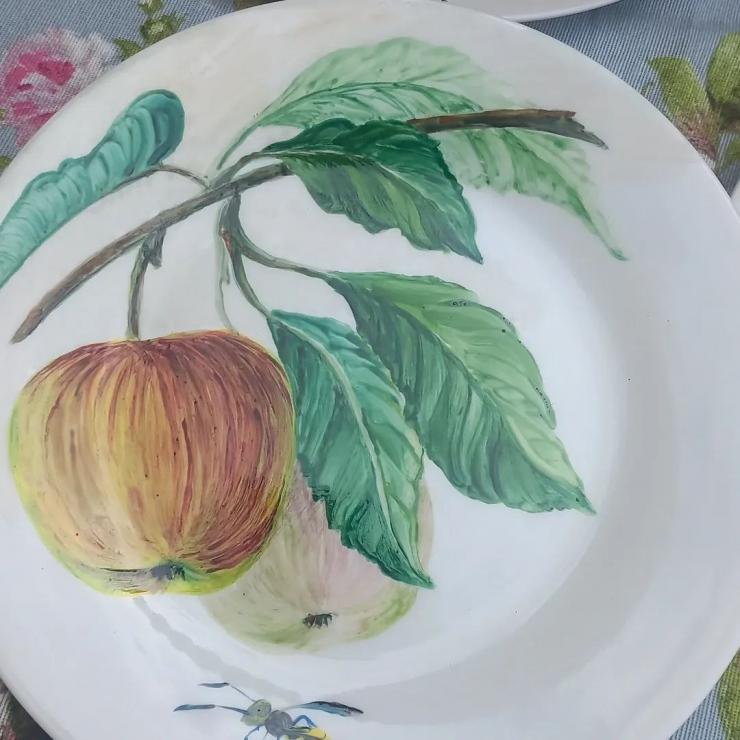
From that moment on, everything started to come together. I experimented a lot, mixed paints, observed the results, looked for my own techniques – and gradually this business became a truly living and stable part of my life.
Work
- Has creativity become a kind of therapy after what you experienced?
- Yes, first of all, it brought me back to life. So far, I'm showing my work on Instagram - and I'm already sharing everything there: both finished products and experiments. Friends and acquaintances saw these attempts, supported them, and gradually the first orders began to appear.
Then I took my works to Kyiv to a meeting of landscape architects. Some of the products were bought there immediately. People were delighted, at first they even thought that they were stickers, not hand-painted. This really supported me: I received my first money for my work and was sincerely happy, I thought: "Finally."
Gradually, the number of orders is increasing. I take it easy – I believe that everything has its time. This is authentic handmade work, it cannot be cheap, but I am not going to charge high prices yet. I understand that once this becomes a full-fledged business, the cost will be different, but for now this is just the beginning. I just continue to do what I love.
Marta Netiuhailo