
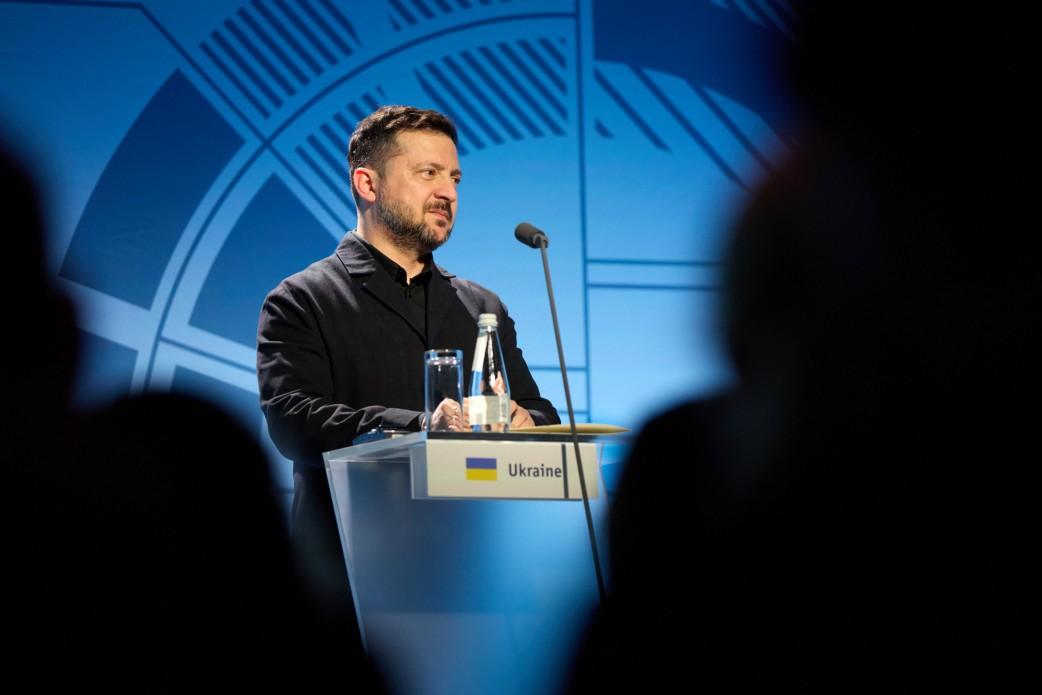
Such practical formats of interaction, such as with the Nordic and Baltic countries (NB8), can bring the end of Russia's war against Ukraine closer and make Europe stronger in the face of any potential security threats, Ukrainian President Volodymyr Zelenskyy said following the summit in Tallinn.
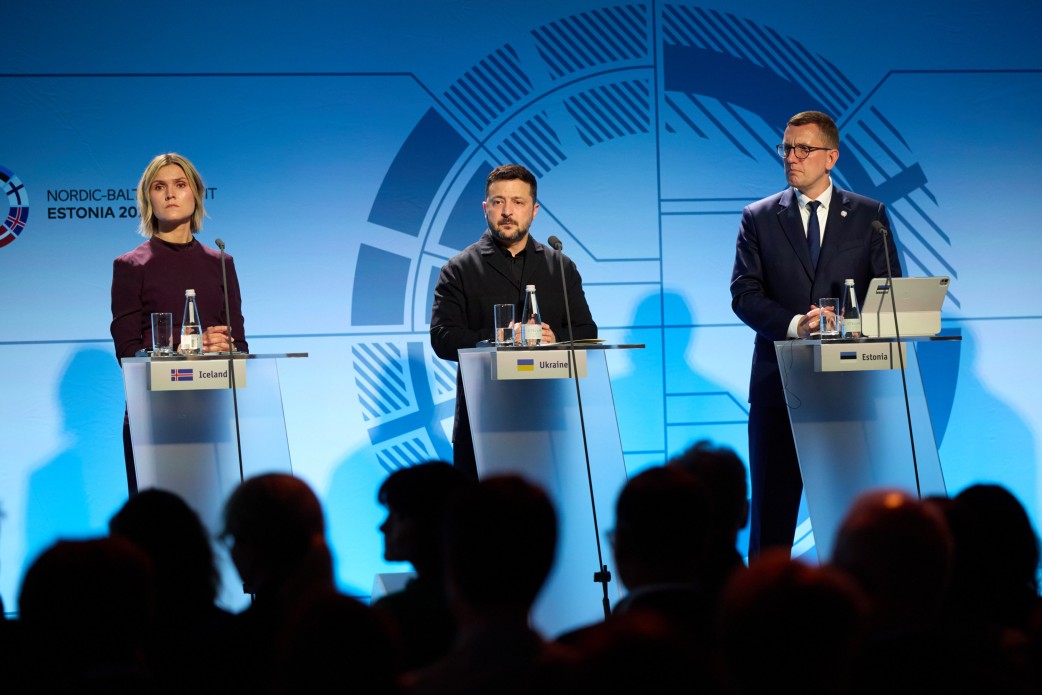
The Ukraine - Nordic and Baltic countries summit was attended by: Prime Minister of Estonia Kristen Michal, Prime Minister of Denmark Mette Frederiksen, Prime Minister of Iceland Kristrun Frostadóttir, Prime Minister of Latvia Andris Kullbergs, Prime Minister of Lithuania Inga Ruginene, Prime Minister of Norway Jonas Gahr Støre, Prime Minister of Finland Petteri Orpo, and Prime Minister of Sweden Ulf Kristersson.
"Europe is strongest when Europeans act together, not separately. This is what we achieve in all our formats. On Sunday, a meeting took place in the Ukraine-E3 format. Today, Ukraine-NB8. In addition, we maintain constant contact with the United States. Together, we are preparing for the upcoming EU and NATO summits, as well as meetings within the framework of the G7 summit. All this can provide real results," Volodymyr Zelenskyy emphasized.
During the summit, three key priorities were discussed: how to make diplomacy more active; ensuring Ukraine's air defense needs and further contributions to the PURL program, joint work on creating European anti-ballistic defense; and preparation for important meetings at the European Union level, where, in particular, all negotiation clusters are to be opened.
The Prime Minister of Estonia condemned Russian attacks on civilian and critical infrastructure in Ukraine and stressed that Russia's audacity will not affect the readiness of partners to support Ukraine. According to Kristen Michal, it is necessary to deepen cooperation between defense-industrial complexes and the armed forces, develop joint production, and exchange experience.
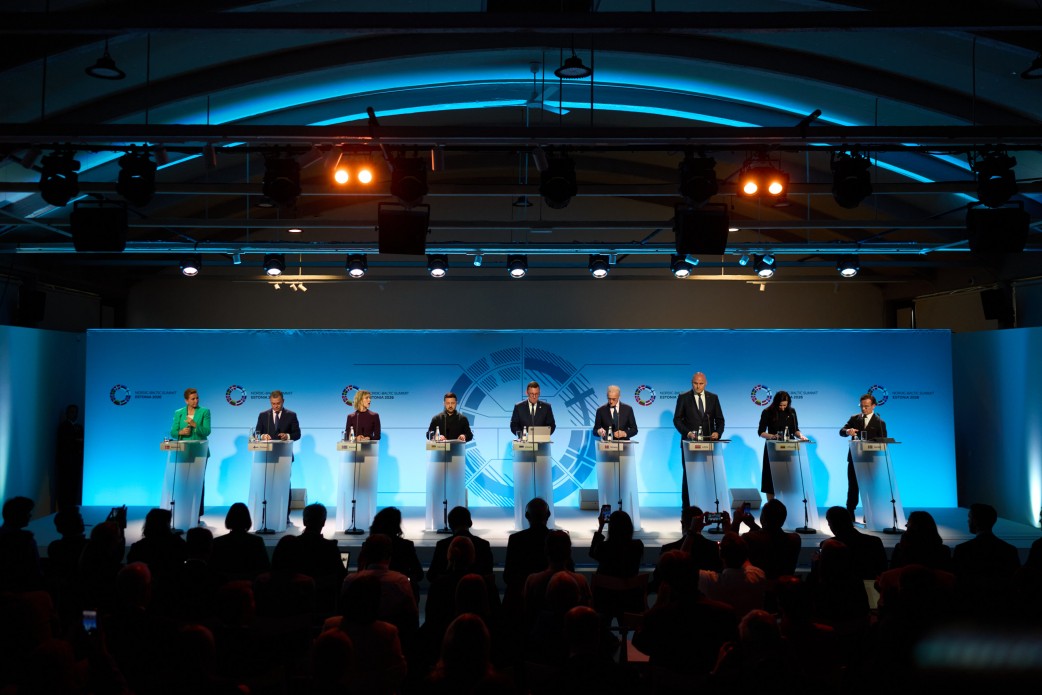
"We will help Ukraine achieve a just and lasting peace. Ukraine is not only defending itself - it is making Europe safer," he stressed.
Supporting Ukraine is a priority of the current Estonian presidency of the NB8. Kristen Michal emphasized: Ukraine should be part of the EU and NATO. This position is shared by other summit participants.
The Prime Minister of Norway noted that Ukraine has strengthened its position on the battlefield. His country is determined to help Ukrainians and supports all efforts to achieve peace.
"We must be resolute in our support. We have agreed on key points: air defense, ballistic missile defense, support for your energy sector and support for other humanitarian needs in preparation for winter," said Jonas Gahr Stere.
The Danish Prime Minister believes that Russia is threatening to use force against the Baltic states to sow fear and divide them. She stressed that Europe must rearm.
"We need new capabilities, innovations. Because innovation decides the outcome on the battlefield. We see this in Ukraine every day. Ukraine needs Europe. And it is equally important that Europe needs Ukraine now. Europe cannot rearm effectively without Ukraine," Mette Frederiksen noted.
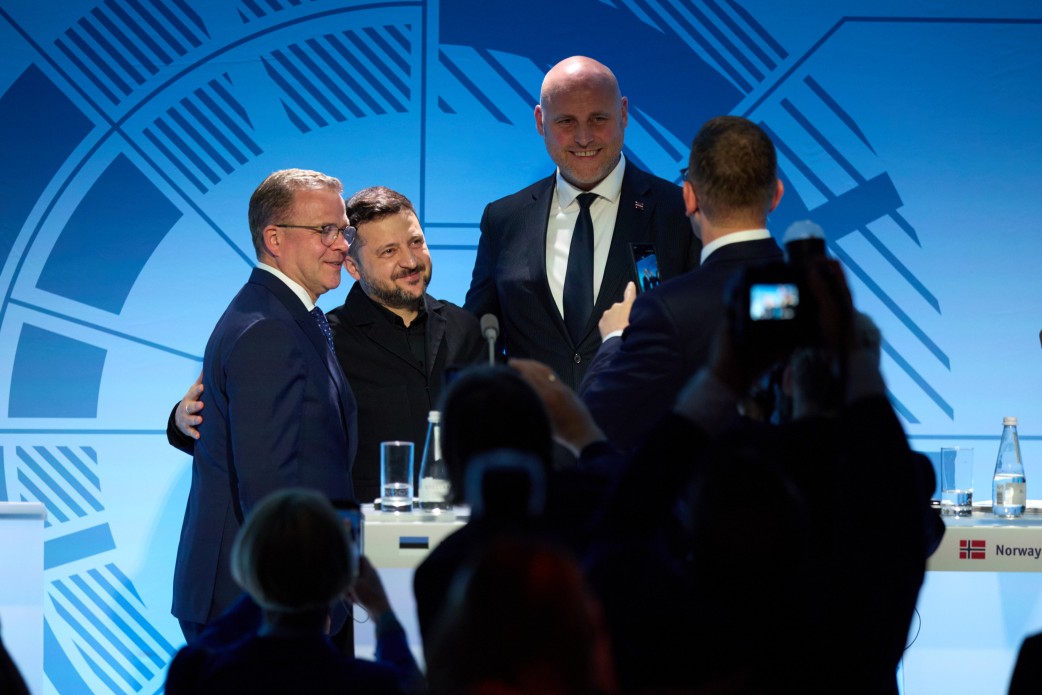
The Prime Minister of Finland emphasized that Ukraine's survival is a key security priority for Europe.
“The situation on the front has changed. Ukraine, which defends itself, is stronger today than before. And it can strike deep at important Russian targets. Russia continues its illegal war of aggression, and it does not look like it is ready for real negotiations. But the sanctions are working. Russia must end this war, which it started more than four years ago,” said Petteri Orpo.
He also emphasized that the European Union must open all negotiation clusters before it goes on a summer break.
The Prime Minister of Iceland emphasized that her country continues to support Ukraine, which shares the common values of Europe.
"Ultimately, all we discuss are values. That's why we are here today. Even though we are different countries. Iceland is a small, non-military country. But we have values when it comes to international affairs, borders, territories. That's why we stand firmly with Ukraine," added Kristrun Frostadóttir.
The Latvian Prime Minister noted that the Baltic states and states bordering Russia should develop anti-drone forces. He also noted that Latvia is ready to make new contributions to the PURL program.
"We must protect our sky. And no one knows how to do it better than Ukraine," Andris Kulbergs emphasized.
Lithuanian Prime Minister Inga Ruginenė said that recent drone incidents underscore the importance of NATO's presence and reliable deterrence on the Alliance's eastern flank. She stressed that transatlantic unity is of particular importance for the security of the region, Europe and NATO as a whole.
"Ukraine has unique expertise. And we should learn from Ukraine. In the most difficult circumstances, Ukraine shows experience that can be used in our countries," said Inga Ruginene.
The Swedish Prime Minister concluded that joint support for Ukraine is an investment in the security and future of Europe.
"By increasing pressure on Russia, we are changing Putin's calculations. And this will make us all stronger," Ulf Kristersson emphasized.