
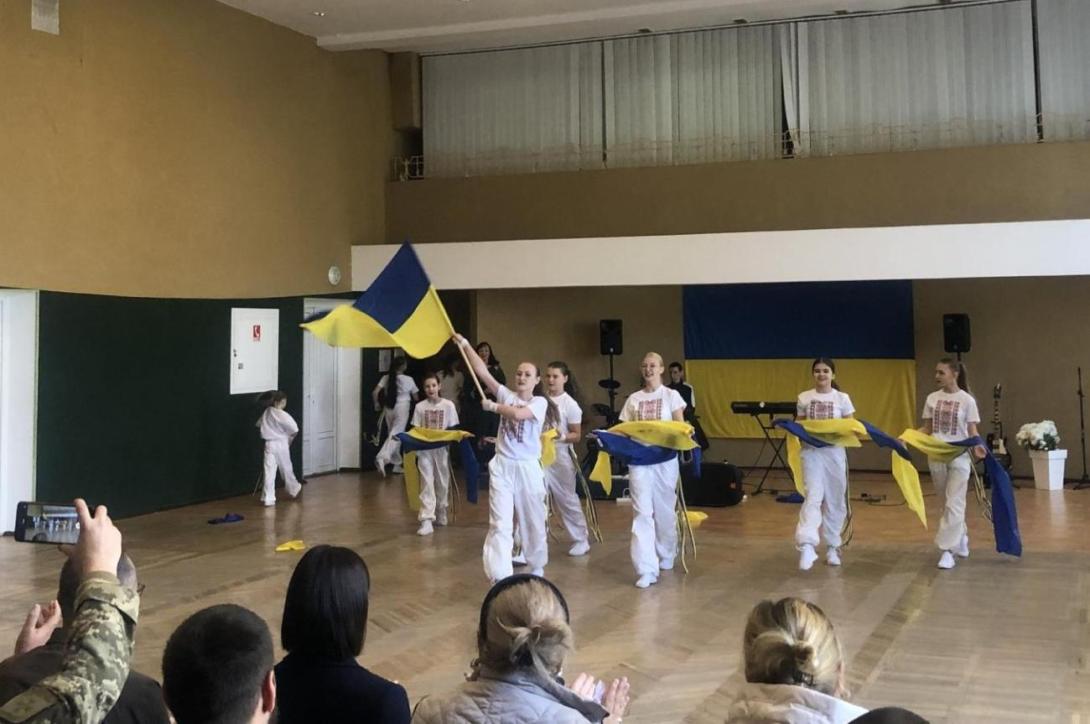
The Seversko-Donetsk community today is a powerful cultural center, which proves that the identity of the Luhansk region is alive, and creativity is becoming a bridge between the past and the future, between home and new realities.
Despite the loss of physical space, the community's cultural institutions not only maintained their activities, but also transformed them into systematic work on patriotic education, preservation of local heritage, and support for fellow countrymen.
As the head of the Seversko-Donetsk City Military Administration, Yevheniy Boyko, notes, culture performs not only an aesthetic function, but is an important tool for community unity.
"We lost the city, but we did not lose ourselves. The cultural institutions of the community have become the foundation on which our identity rests. Through art, education, and joint events, we are not just preserving the memory of our native Luhansk region - we are forming a new reality, where Ukrainian is the basis of everything. Every concert, every exhibition, every master class is a brick in the wall of our invincibility," says Yevheniya Boyko.
The humanitarian hub in Dnipro became the base for cultural activities, where art schools, libraries, creative groups, and cultural spaces operate today.
THE PALACE OF CULTURE THAT DOESN'T STOP
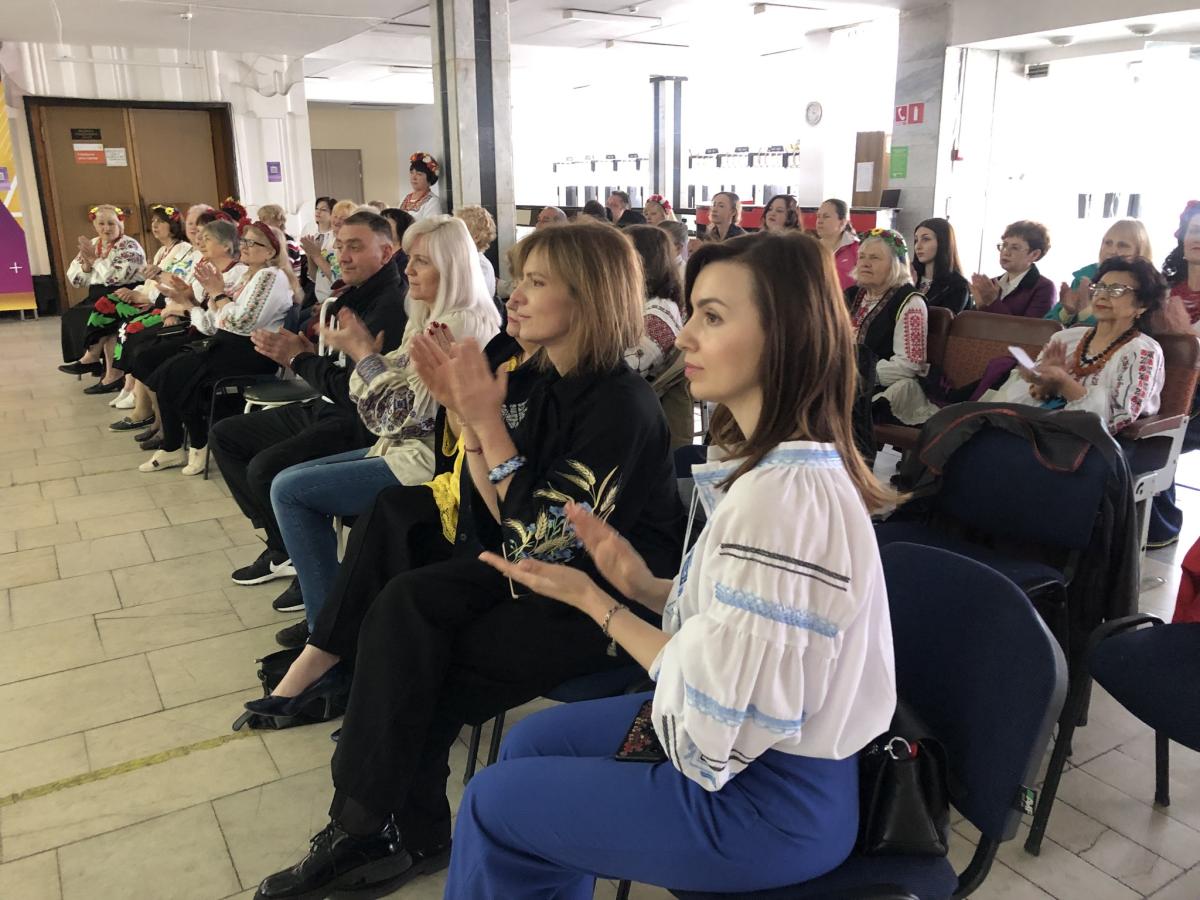
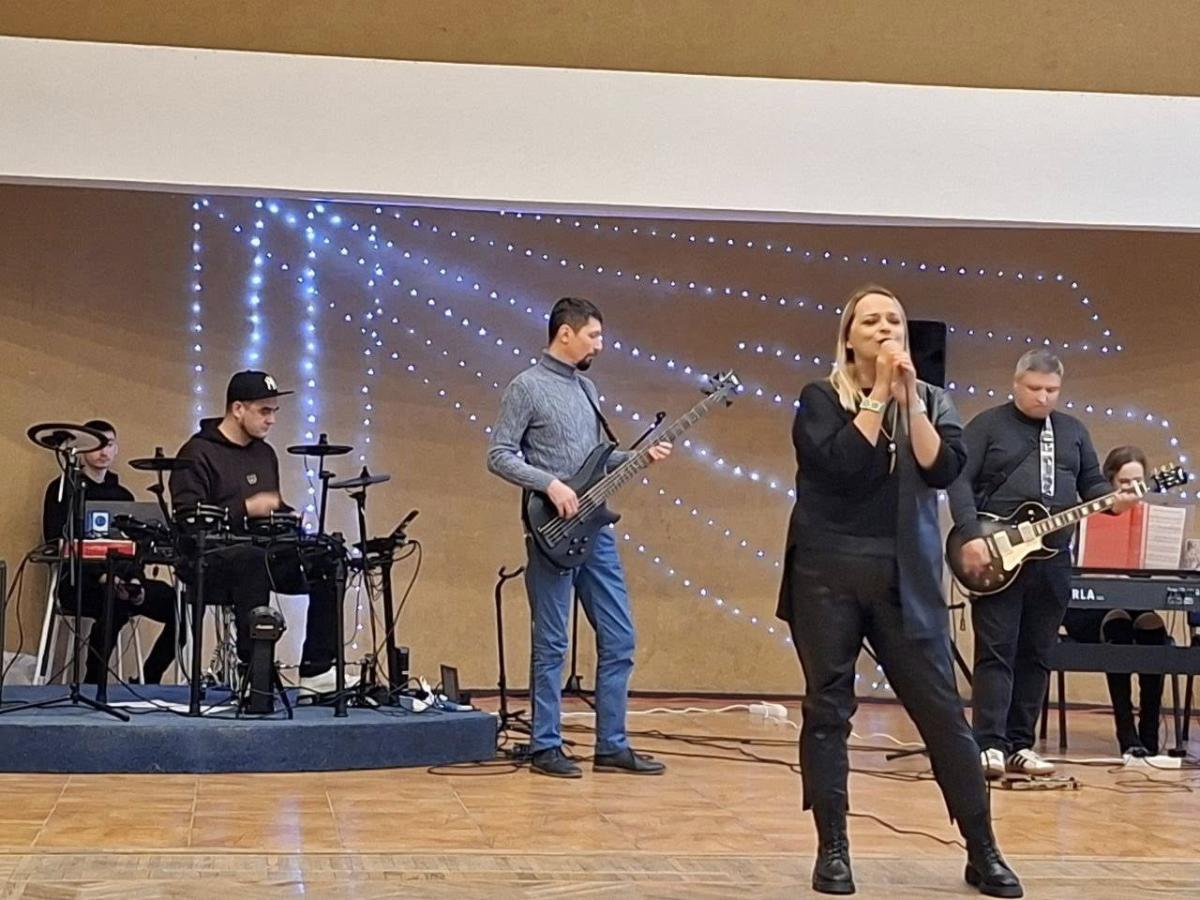
The Seversko-Donetsk City Palace of Culture continues to be the main center of the cultural life of the community. During 2025 alone, the palace team organized 97 events - from chamber creative meetings to large-scale festivals and patriotic actions. This indicates not only organizational capacity, but also a huge demand for living culture among displaced citizens. After all, in conditions of forced displacement, it is such events that become the spiritual anchor that keeps people afloat.
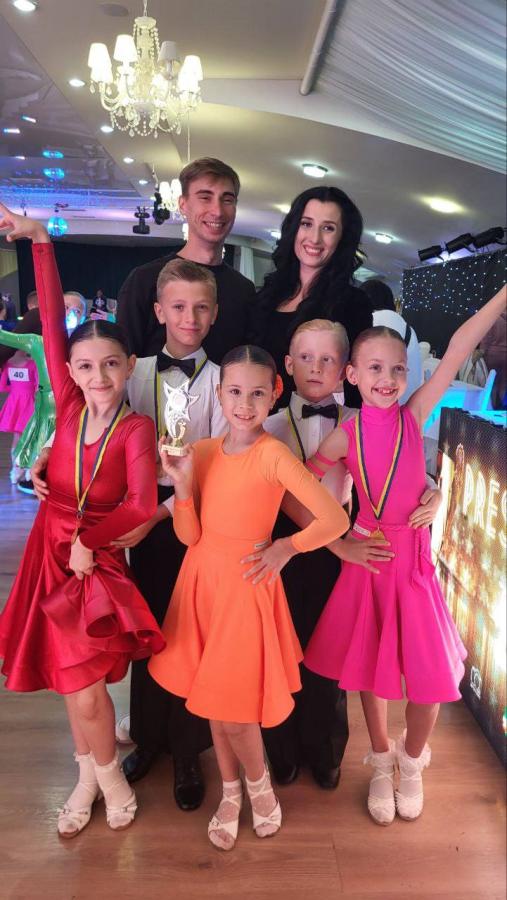
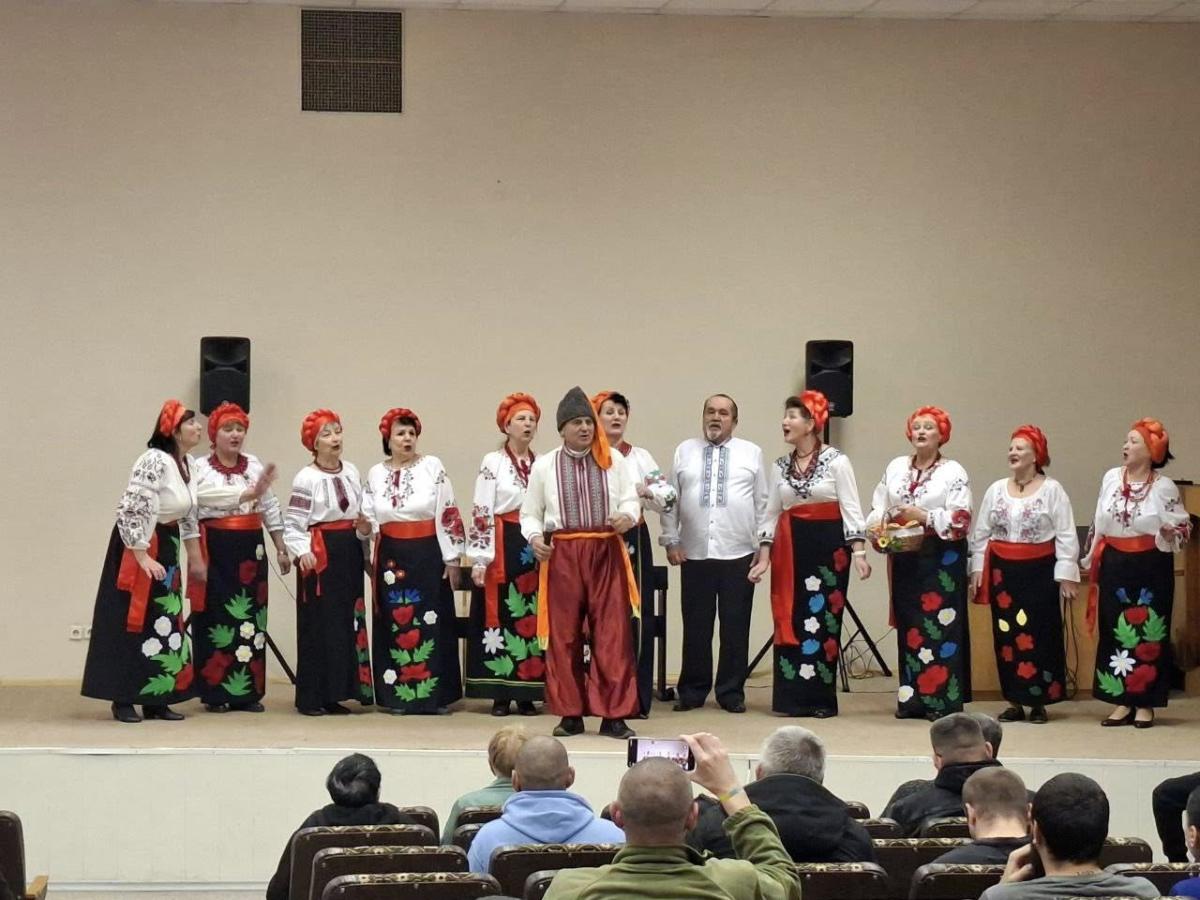
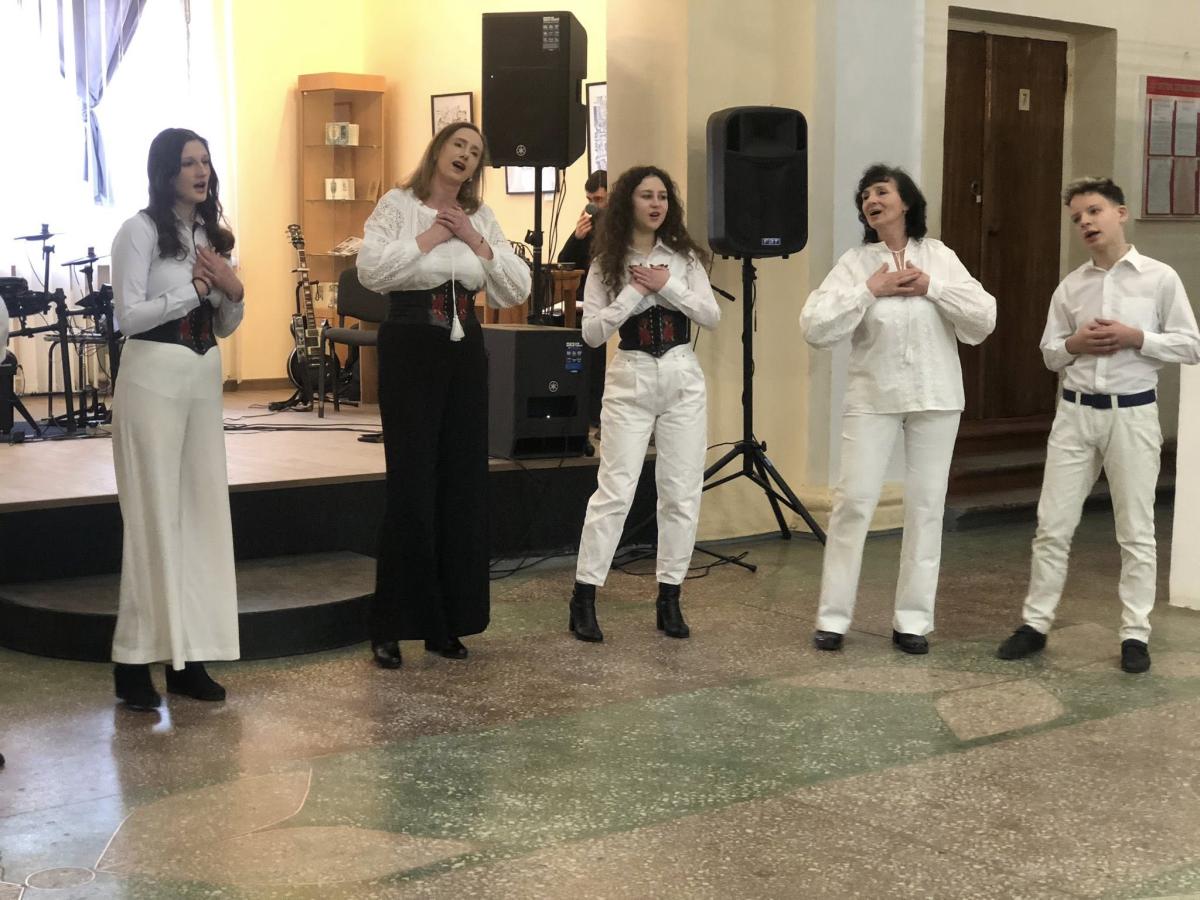
Amateur groups are actively involved in the activity, which have become the true faces of the community at the all-Ukrainian level. The ballroom dance ensemble "Rovesnyk", the vocal group "Lisova Pisnya", which has won the grand prix at a number of prestigious festivals, the arts and crafts group "Dyvotsvit", as well as the club of people of elegant age "Suzirya" - all of them form the multidimensional cultural face of the community.
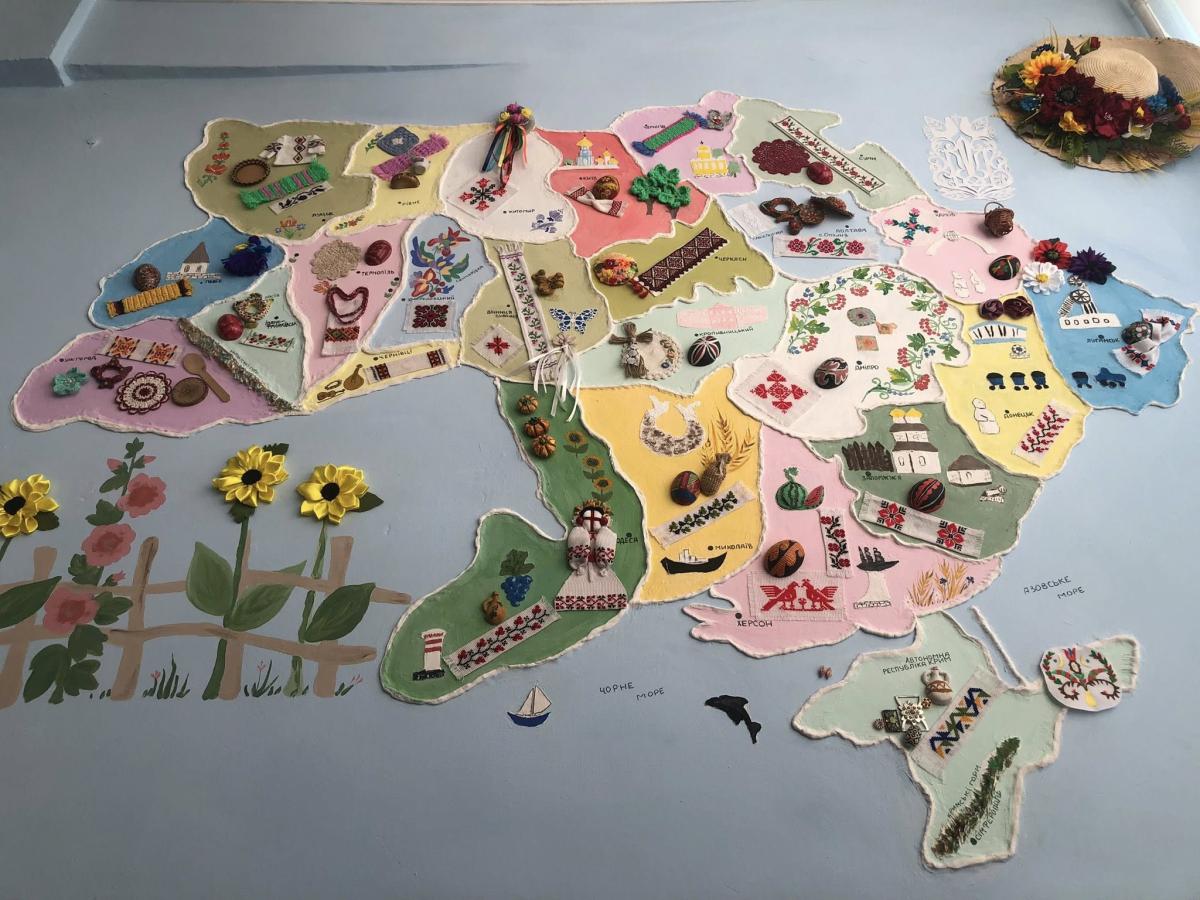
Particular attention is paid to the preservation of folk traditions. For example, the participants of "Dyvotsvit" created a unique creative map of Ukraine for Independence Day, and also regularly present their works at ethnic exhibitions and master classes, passing on the secrets of traditional crafts to the younger generation.
ART SCHOOLS: EDUCATION THAT INSPIRES
Seversko-Donetsk Music School No. 1 operates in a mixed format and brings together over 50 students. Children master the piano, violin, vocals, and perform in ensembles. Teachers and students of the school are regular participants in all-Ukrainian and international competitions, where they win prizes.
A separate direction is charity performances for internally displaced persons, in hospitals, and at events in support of the Armed Forces of Ukraine.
Ms. Olga, an IDP from Severskodonetsk who now lives in Dnipro, shares her impressions: "When we first arrived, it was very difficult to find myself in a new city. But thanks to the concerts of our music school, I felt like a part of the community again. My grandson studies here, and for him these classes are not just music, but a way not to lose touch with home. The teachers have become a second family for us."
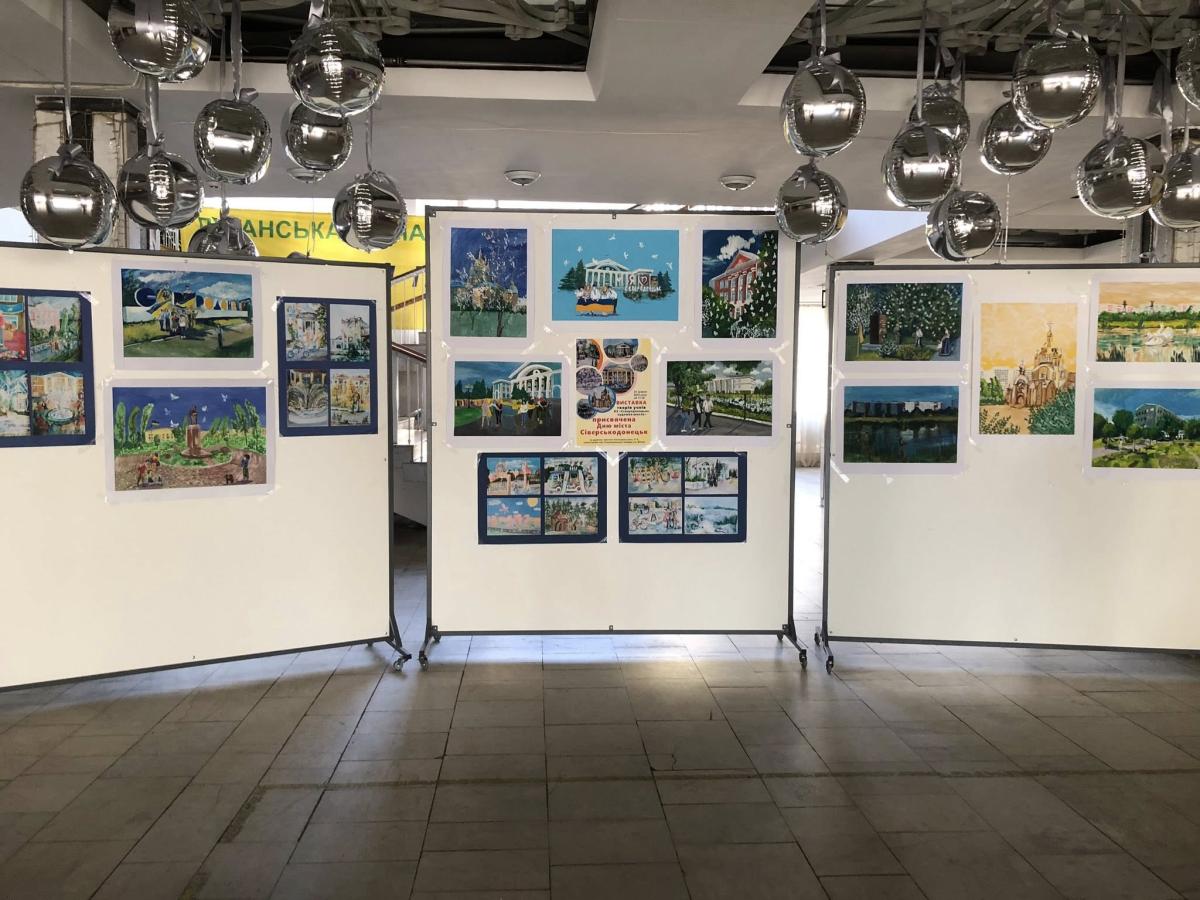
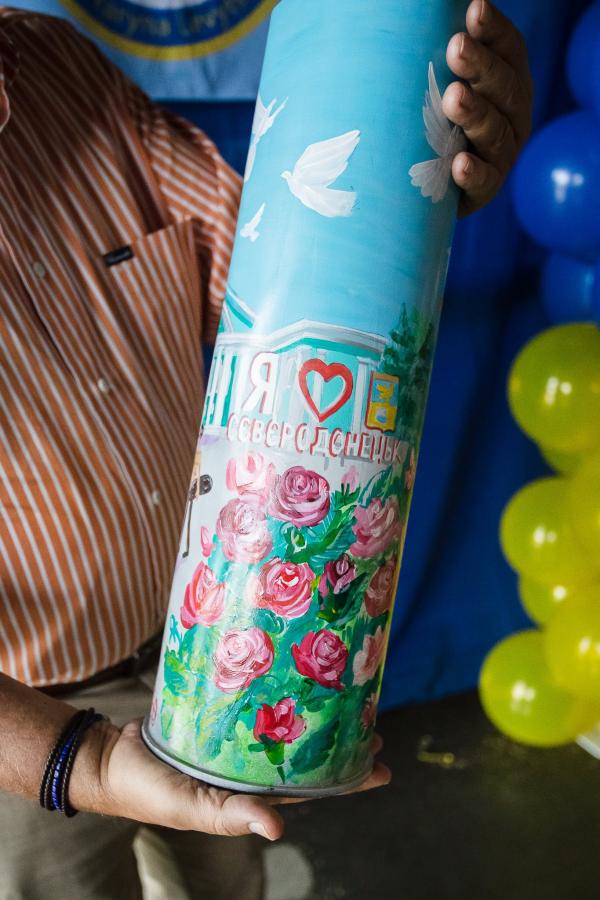
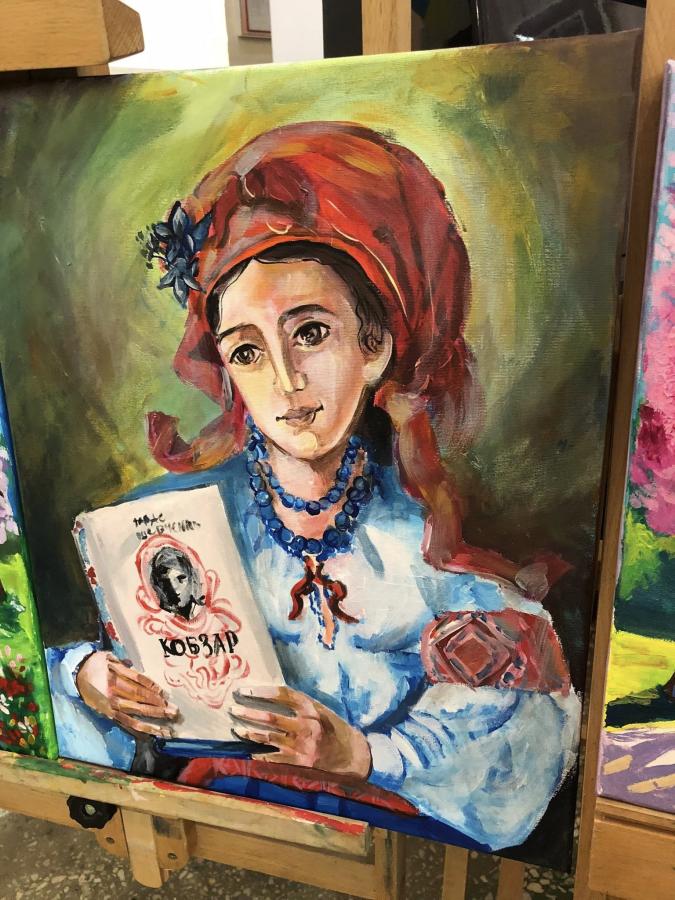
The Seversko-Donetsk Art School educates a new generation of artists who, through their creativity, interpret current events. Their works are exhibited at exhibitions dedicated to Independence Day, Vyshyvanka Day, and Ukrainian Volunteer Day. One of the most touching projects is the painting of cartridge cases for charity auctions in support of the Defenders. This is an example of how art becomes part of the country's defense capability, forming not only aesthetic tastes but also civic stance from an early age.
LIBRARIES AS SPACES OF DEVELOPMENT
The libraries of Seversko-Donetsk have long gone beyond book collections. Today, they are real cultural hubs, where much more happens than just issuing books. Public readings and literary meetings, screenings of Ukrainian films, discussion clubs on history and social issues, trainings on digital literacy and media education - all this makes the libraries centers of attraction for different age categories.
For children and youth, there are creative spaces where master classes are held on Petrykivka painting, making Easter eggs, doll-spools, and weaving patriotic bracelets. Such classes not only develop fine motor skills or artistic abilities, but also form national consciousness through direct contact with cultural heritage. Quests, quizzes, interactive games, and reading classes turn learning into an exciting adventure.
Special attention is paid to supporting internally displaced persons and the elderly. For them, libraries have become a place of communication, psychological support, and adaptation.
Ms. Valentina, another IDP, says: "In the library, I found not just books, but friends. We gather here every week, discuss the news, read poems, sometimes just drink tea and talk about life. For people our age, it is very important to have a place where they are waiting for you and understand you. And here they taught me how to use a smartphone and government applications, now I can make an appointment with a doctor or contact the Pension Fund myself."
Meetings, trainings, and thematic events are held in cozy spaces aimed at overcoming stress, communication, and mutual support for people who were forced to leave their homes.
MEMORY, DIGNITY, UNITY
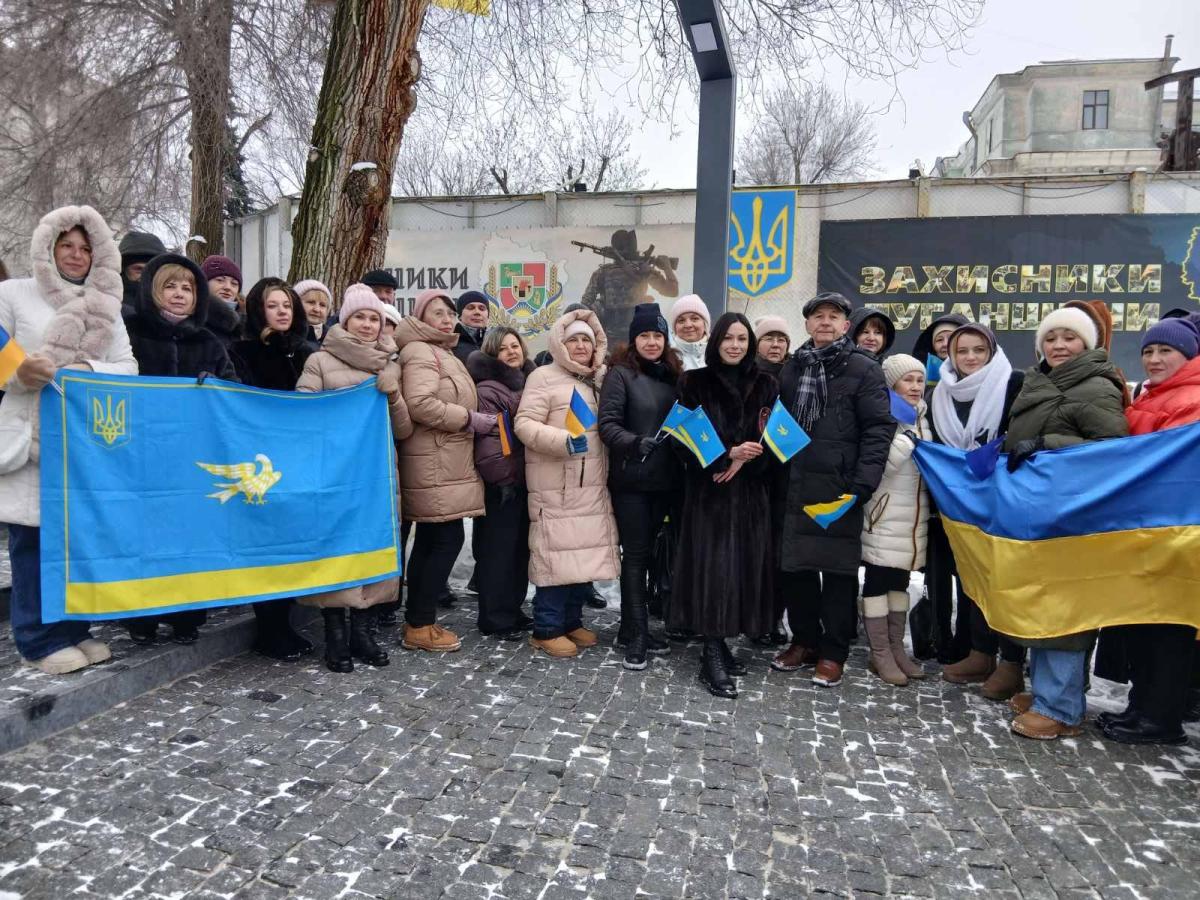
Cultural institutions of the community systematically work with state and memorable dates. Constitution Day, Independence Day, Dignity and Freedom Day, Ukrainian Writing and Language Day, Defenders of Ukraine Day are live events, exhibitions, and concerts that shape historical memory and civic position. They help maintain a connection with the past and at the same time build guidelines for the future.
Head of the Department of Culture, Youth and Sports of the Seversko-Donetsk MBA Tetyana Grachova emphasizes a comprehensive approach to the development of the cultural sphere.
"Our task is not just to preserve the network of cultural institutions, but to make them as useful as possible for the community. We are consciously transforming work formats to meet the challenges of today. When we see how children enthusiastically draw patriotic comics, how adults attend mental health trainings in libraries, how young people create volunteer projects based on our spaces - this is the best confirmation that we are moving in the right direction. Culture today is about action, about interaction, about daily work for the sake of Victory," she emphasizes.
Mental health work has also become an important area. Trainings, meetings, and art therapy classes help people who have experienced the loss of their home to find inner balance. After all, culture today performs not only an aesthetic or educational function, but also becomes a tool for psychological rehabilitation and social cohesion.